The short answer: haul snow when the pile becomes its own problem
On-site snow stacking is usually the first plan when a property has enough room. Snow hauling becomes worth reviewing when stored snow starts reducing parking, driveway width, visibility, drainage, dumpster access, loading access, entrance clearance, or the space needed for later storms.
For Bismarck, Mandan, Lincoln, and nearby North Dakota properties, All Clean Solutions can review snow stacking and snow-hauling needs as part of a private-property winter plan. The final quote should still be based on the actual pile volume, loading access, destination, route conditions, safe travel, and the areas approved in the estimate.
Stacking is useful when space remains practical
Stacking keeps snow on the property. That can be the simplest option when the pile can stay away from entrances, accessible routes, fire exits, hydrants, dumpsters, drains, mailboxes, visibility corners, loading zones, and future plow paths.
The best stacking locations are chosen before winter. A pile that works after one small event can become a problem after repeated storms, drifting, refreeze, or city plow windrows. Preseason planning should ask where the first pile goes, where the second pile can expand, and what happens when that space is no longer practical.
Hauling is separate from routine plowing
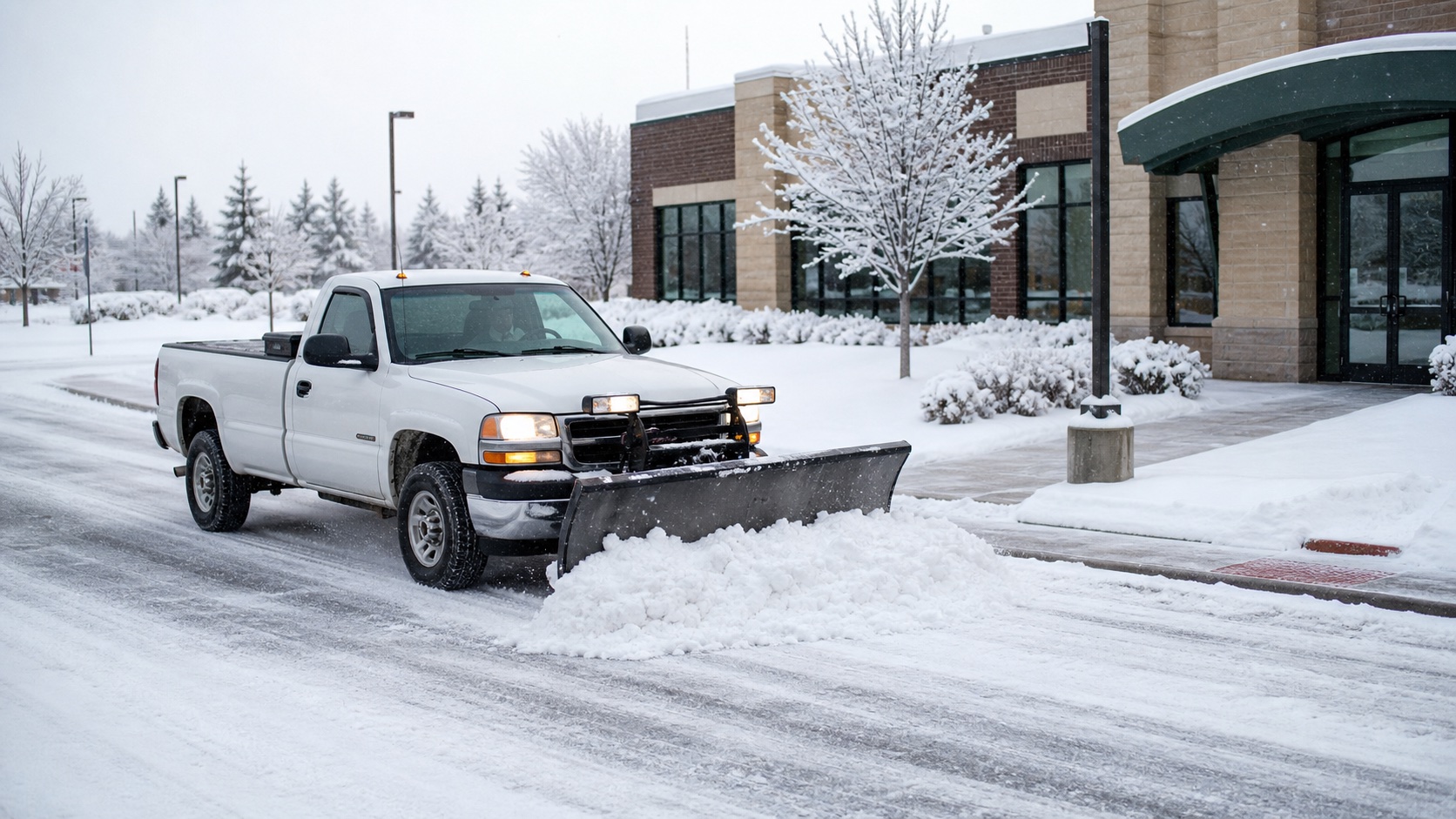
Plowing moves snow across the property. Hauling adds loading, transportation, and placement at an appropriate destination. Because that work depends on volume, equipment access, travel, pile condition, and timing, it should not be assumed inside every snow-removal visit.
A routine plow visit might include pushing snow to an approved on-site area. A hauling quote should say which pile or area is included, when loading can happen, whether customer traffic must be moved, and what remains after the pile is reduced.
Watch for access and visibility problems
Snow piles can slowly take away the parts of a property people still need. The first warning signs may be a narrower drive lane, fewer usable parking spaces, blocked sightlines at a driveway, reduced room near a dumpster gate, or snow creeping toward a walkway, drain, or entrance.
If equipment has less room to turn after each storm, the property may also become harder to service safely. That is when a pile-management conversation can prevent the next event from turning a manageable plow job into a cramped one.
Drainage matters after the storm
Stored snow eventually melts. If the pile drains across a walking path, entrance, garage apron, loading area, or shaded pavement, the property may see repeated refreeze even after the main snow has been cleared.
Before choosing a stacking area, look at where meltwater will travel. Drains, low spots, curb cuts, downspouts, shaded pavement, and traffic lanes all matter. If the practical stacking area creates a repeated ice concern, hauling or a different pile location may need to be reviewed.
Do not assume snow can be pushed anywhere nearby
Private-property snow should not be treated as something that can simply be pushed into a public street, alley, right-of-way, neighboring lot, sidewalk, or unapproved open space. The snow plan should identify approved stacking or hauling options before the pile is in the way.
If a property has tight boundaries, shared access, tenant parking, neighboring businesses, or limited open space, those limits should be documented in the estimate. A clear plan helps avoid moving snow from one problem area into another.
What to send for a snow-hauling review
Before requesting a snow-hauling estimate, gather:
- The property address and best winter contact
- Wide photos showing the pile, drive lanes, entrances, parking areas, and loading access
- Close photos showing pile height, edges, ice, blocked drains, visibility limits, or tight equipment areas
- The reason hauling is being considered, such as parking loss, blocked access, drainage, or reduced stacking room
- When vehicles, containers, trailers, or other movable items can be cleared from the loading area
- Any operating hours, tenant rules, delivery windows, gate access, or restricted areas
- Whether hauling should be planned before winter or reviewed only after piles grow
The All Clean Solutions snow-removal page explains how plowing, sidewalk and entrance clearing, salt or sand, stacking, and quoted hauling can be reviewed around the actual property. Customers with a known pile problem can also review the Bismarck snow-hauling service page. Storm dispatch and hauling remain subject to approved scope, equipment access, pile condition, road conditions, visibility, route capacity, destination requirements, and safe travel.