The short answer: blocked areas usually need a plan, not a guess
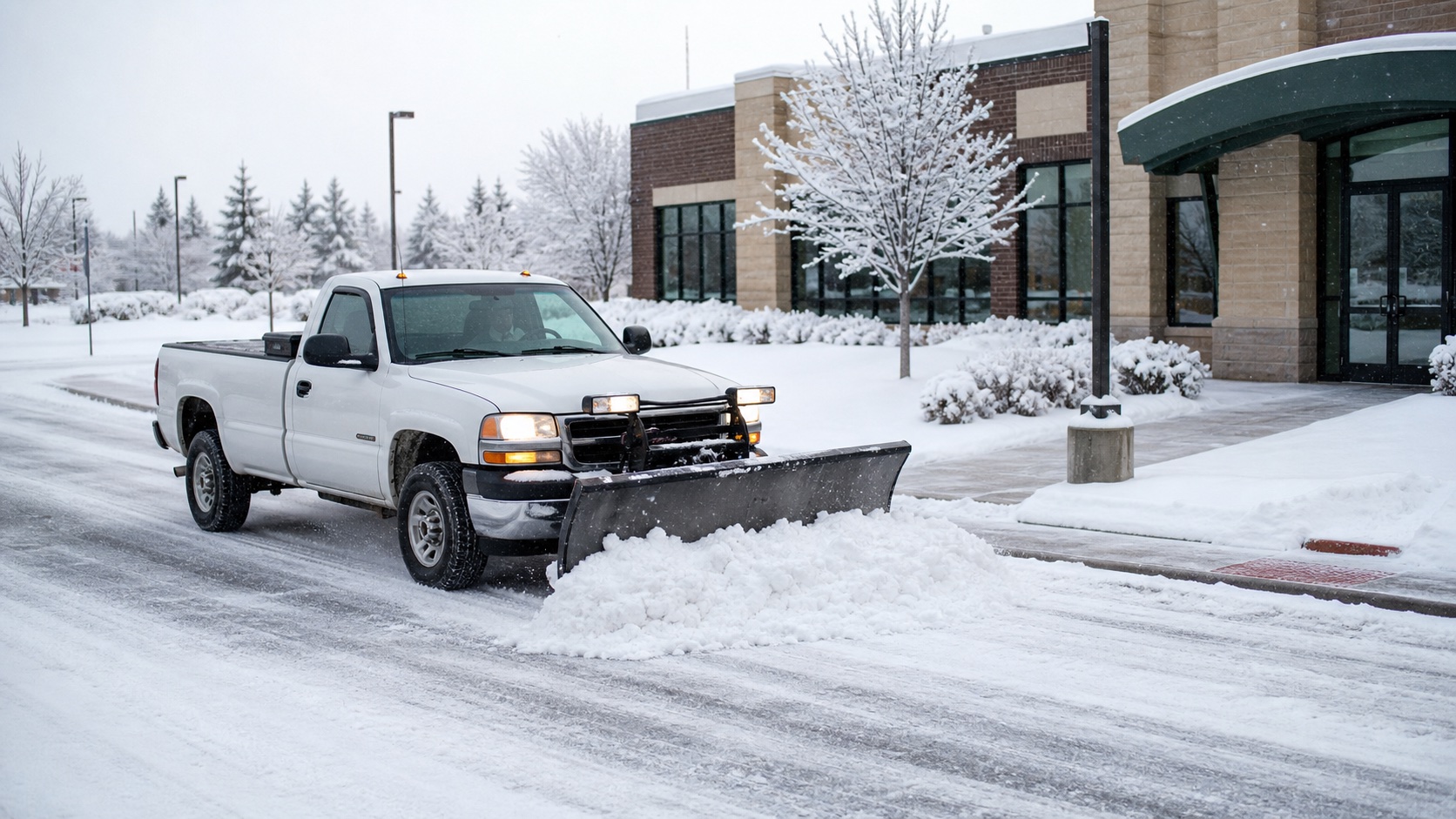
Snow removal can only happen where equipment and crew members can safely reach. Parked vehicles, trailers, locked gates, dumpsters, storage containers, temporary signs, carts, tenant belongings, and blocked loading areas can turn a quoted section into a partial-service area.
For Bismarck, Mandan, Lincoln, and nearby North Dakota properties, the best time to decide how blocked areas will be handled is before winter. The estimate should explain what can be cleared when an area is open, what may be skipped when access is blocked, and who can approve a later return or added work if the property wants a second pass.
Parked vehicles change what can be reached
A plow cannot clean under a parked vehicle, and tight rows can leave strips of snow between stalls. Snow blowers and shovels may help in some smaller areas, but they still need room to work safely around bumpers, mirrors, curbs, people, and other property.
If vehicles can be moved before service, the plan should say when that is expected. If they cannot be moved, the plan should say whether open drive lanes are handled first, whether blocked stalls are skipped, and whether a later cleanup pass needs separate approval.
Tenant and employee parking needs clear instructions
Apartment buildings, rentals, offices, churches, restaurants, and warehouses often have different parking patterns throughout the day. A lot may look open during an estimate and be full when snow service is needed.
The property contact should decide how parking instructions will reach tenants, employees, residents, or vendors. All Clean Solutions can review private-property snow needs, but the property owner or manager usually needs to communicate move-times, restricted rows, temporary parking, or any areas that should stay clear for equipment access.
Gates, containers, and dumpsters can block more than one area
A locked gate may block the lot, dumpster approach, tenant drive, storage lane, or loading zone behind it. A dumpster, pod, trailer, or container may also remove the turning space needed to clear the surrounding pavement.
Those items should be listed before winter when possible. If the blocked item is temporary, the service notes can describe when it will be gone. If it will remain all season, the quote should adjust the reachable area instead of pretending the original open layout still exists.
Blocked areas should not be treated as automatic return work
A return pass may be useful after vehicles move or a gate opens, but it should not be assumed unless the approved scope includes it. Returning later can involve route timing, crew availability, equipment travel, road conditions, fresh snowfall, packed snow, ice, or a different service priority.
The estimate should explain who can approve a return pass, whether it is part of the normal plan, and what conditions could make it a separate quote. That keeps a blocked area from becoming an unexpected promise during a storm.
Some blocked snow becomes harder to remove later
Snow left around vehicles or containers can be packed by traffic, refrozen by temperature changes, or covered by the next snowfall. Once it bonds to pavement, a later pass may not produce the same result as clearing an open area during the first visit.
That does not mean the original work was ignored. It means access, timing, traffic, and weather changed the condition. If a property repeatedly has blocked spaces, update the snow plan before the same issue repeats through the season.
What to define before winter
Before requesting or updating a snow-removal estimate, gather:
- The areas that are usually blocked by vehicles, trailers, gates, dumpsters, or containers
- When vehicles can realistically be moved, if at all
- Who communicates parking or access instructions to tenants, staff, vendors, or residents
- Which drive lanes, entrances, walks, loading zones, dumpster paths, and fire routes matter most
- Whether a return pass is expected, optional, or quoted separately
- The person authorized to approve added work when access changes
- Wide photos showing parking rows, gates, dumpsters, loading areas, and tight turning spaces
The All Clean Solutions snow-removal page explains how plowing, sidewalk and entrance clearing, salt or sand, stacking, and quoted hauling can be reviewed around the actual property. Customers coordinating snow service with commercial cleaning, floor care, lawn care, pressure washing, or other property work can also start from the main services page. Winter service remains subject to the approved scope, open access, visibility, road conditions, closures, route capacity, equipment access, and safe travel.