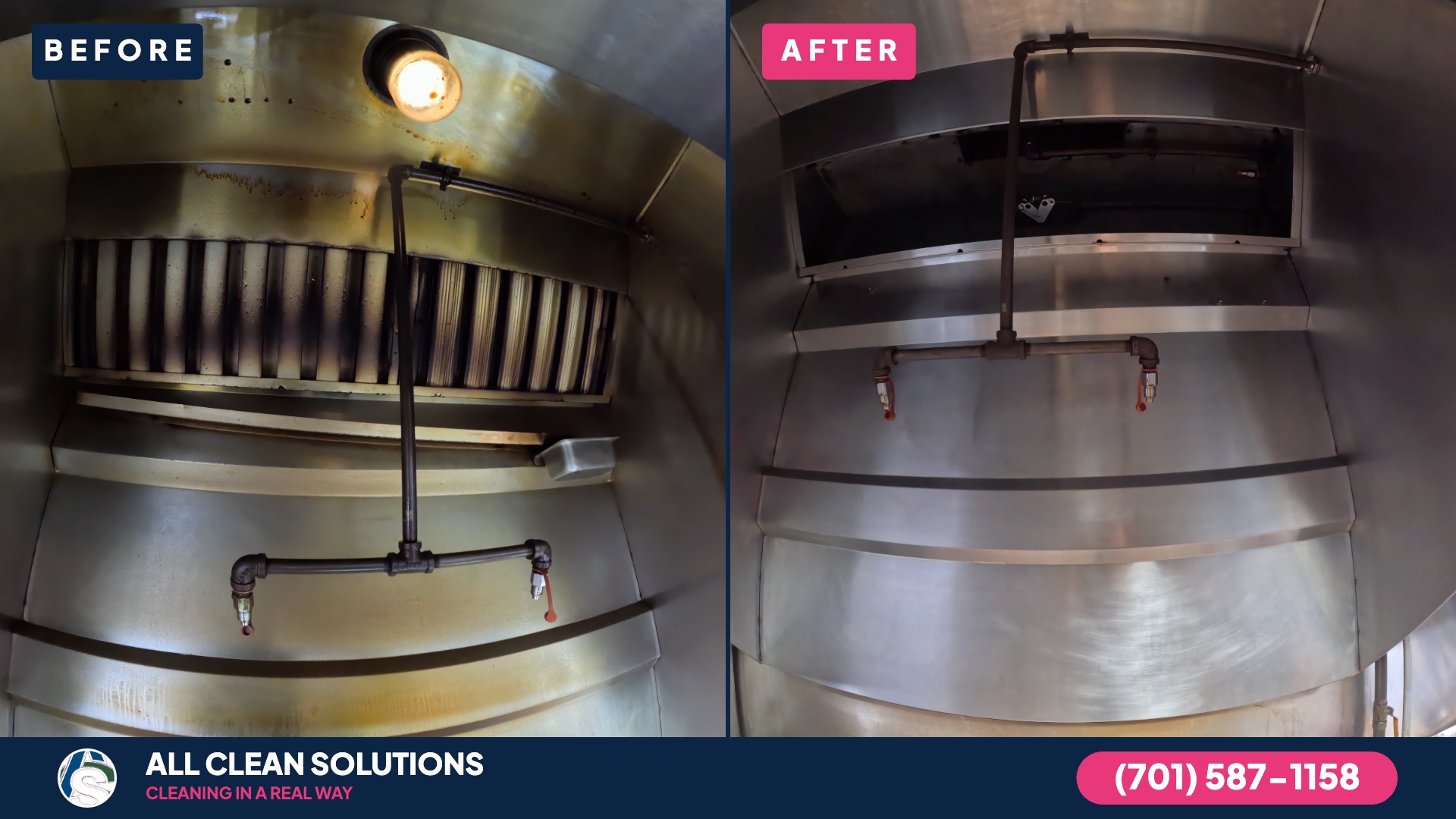
Hood-cleaning photographs are useful when they show what part of the system was pictured, when the image was taken, and how it relates to the agreed scope. A collection of unlabeled shiny-metal closeups is difficult to connect to a particular hood, duct section, or exhaust fan.
Good documentation helps the restaurant and cleaner discuss visible conditions, access limitations, and follow-up work. It does not convert a cleaning service into regulatory approval.
Establish the system before taking detail photos
Begin with an orientation image of the cooking line and hood so later closeups have context. On a property with multiple systems, use a consistent identifier such as “Kitchen Hood 1” or another customer-approved label. Record the service date and location in the written record rather than relying only on image metadata.
Photographs should avoid customer information, employee faces, payment screens, access codes, and unrelated private material.
Capture comparable pre-service conditions
When accessible and within scope, useful pre-service images may show:
- Hood interior and grease channels
- Filter bank and filter condition
- Plenum or accessible duct areas
- Access panels and any area that cannot be reached
- Exhaust fan, curb, and accessible roof-side conditions
- Heavy deposits, drips, damage, or mechanical concerns observed before work
The camera angle and lighting should show the condition without deliberately hiding shadowed areas. If a section cannot be safely accessed or photographed, state that limitation in writing.
Match post-service images to the same locations
After cleaning, photograph the same identifiable sections when practical. A matching viewpoint is more useful than an unrelated closeup. Note whether a surface is wet, whether panels have been reinstalled, and whether any item shown needs repair or follow-up from another provider.
Photos cannot prove the condition of concealed or inaccessible areas. They also cannot measure airflow, approve a fire-suppression system, diagnose a fan, or establish compliance by themselves.
Pair photos with a written service record
The record should identify:
- Business and system
- Date and agreed cleaning scope
- Areas accessed and addressed
- Areas not accessed or outside scope
- Visible concerns communicated to the customer
- Photographs associated with each system section
- Any recommended follow-up with an appropriate qualified provider
A cleaner’s record should describe cleaning rather than claim to be an authority inspection. NFPA 96 inspection intervals remain separate, and cleaning frequency depends on observed grease or contamination plus applicable authority and insurer requirements.
Use documentation to improve the next quote
Keep the images and record with the kitchen’s system history. Before the next estimate, note equipment or menu changes, access changes, filter replacement, mechanical work, and the applicable inspection findings. That context helps compare the same system over time without inventing a fixed schedule.
All Clean Solutions includes practical documentation within the agreed restaurant hood cleaning scope for Bismarck and Mandan. Ask what areas are expected to be accessible before approving the quote.