
A recurring plan should start with the first visit
Recurring lawn service works best when the customer and crew agree on the routine before the first scheduled visit. The useful question is not only how often the lawn should be mowed. It is what work belongs in each visit, what should be treated as separate project work, and how changes will be handled when weather or growth does not match the calendar.
For Bismarck, Mandan, Lincoln, and nearby North Dakota properties, that setup protects both sides. The customer knows what to expect, and the crew has enough detail to avoid guessing about gates, edges, obstacles, wet areas, pets, or extra cleanup.
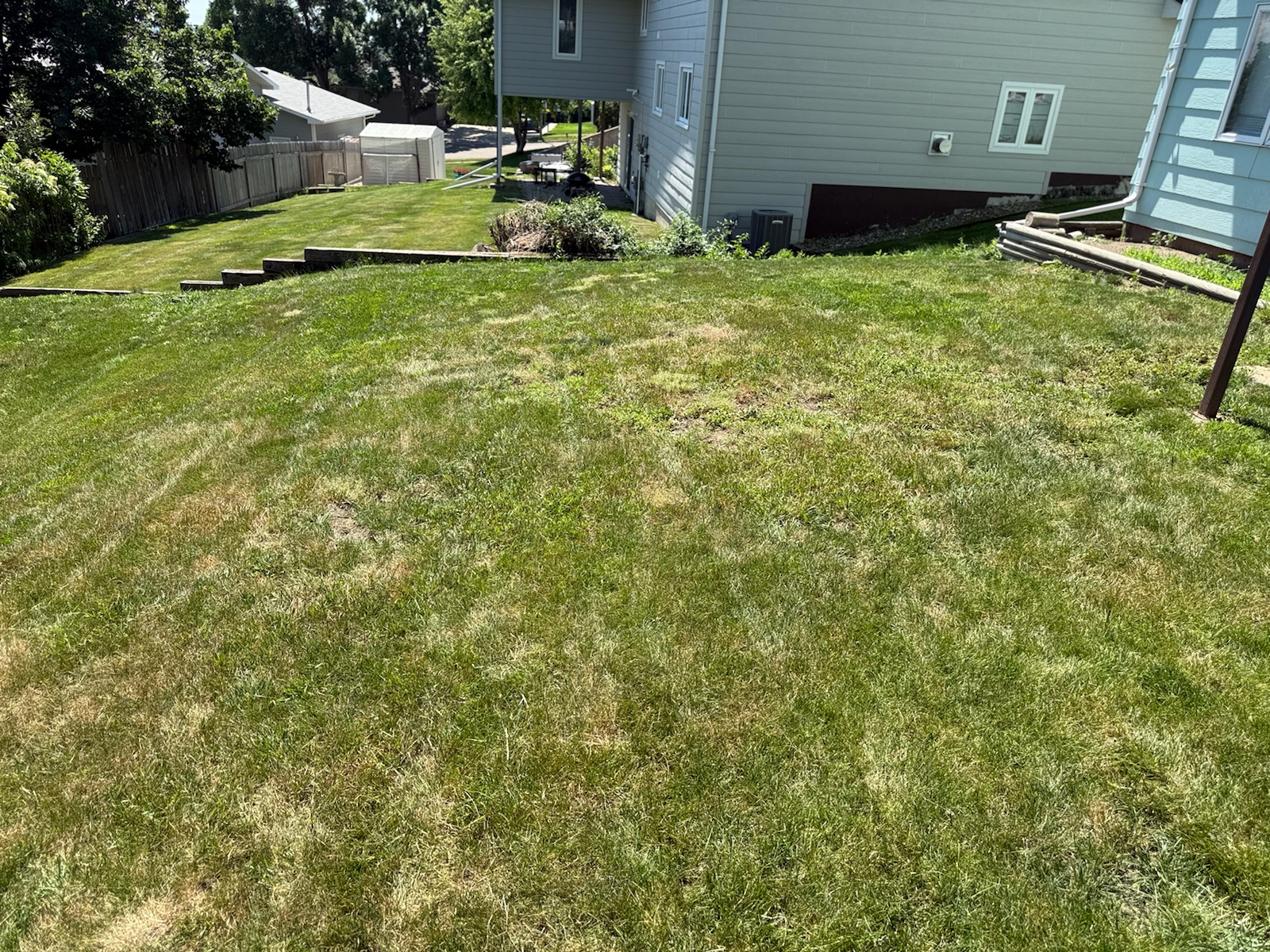
Confirm the exact lawn areas
Start by identifying the turf that should be included. A property may have a front yard, back yard, boulevard strip, side strip, fenced section, rental common area, parking island, or commercial entrance lawn. Those areas should be named or marked with photos before recurring service begins.
It is just as important to identify what should not be mowed. Newly seeded patches, soft drainage areas, decorative beds, unmanaged natural areas, steep slopes, or sections handled by someone else should not be treated as ordinary turf without discussion.
Decide what finish work is routine
Mowing, string trimming, edging, and blowing clippings from hard surfaces are related, but they are not the same task. A recurring plan should state which of those details are included on normal visits.
String trimming may be needed around fences, signs, trees, buildings, utilities, and tight areas a mower cannot reach. Edging may apply along selected walks, curbs, drives, or bed lines. Blowing may apply to sidewalks, entrances, driveways, patios, or parking edges after the grass work is complete.
If the property only needs edging in certain areas or only at certain intervals, that should be written into the plan instead of assumed. For a more detailed visual checklist, see the lawn edging and trimming guide.
Set the schedule around growth and conditions
Weekly service is often useful during faster growth. Bi-weekly or custom timing may fit other properties, slower growth periods, or budget goals. The right rhythm depends on the actual lawn, rainfall, heat, shade, irrigation, current height, and the appearance the customer wants.
A recurring schedule does not mean the lawn should be cut when conditions would damage it. Rain, saturated soil, storms, or unsafe conditions can require a delay. Wet mowing can leave ruts, clumps, torn turf, or an uneven cut, so the plan should explain how rescheduling works.
Make access instructions specific
Access problems can turn a routine visit into a missed or partial visit. Before service starts, confirm gates, lock codes, parking, narrow entrances, pets, tenants, operating hours, and any areas where equipment should not travel.
Customers should also remove practical movable items before the visit, including toys, hoses, cords, decorations, loose trash, and pet waste. Fixed or hidden items such as irrigation heads, wires, fragile borders, exposed roots, low fixtures, and soft ground should be pointed out during the estimate.
Separate routine care from added work
Recurring mowing does not automatically include everything growing or lying in the yard. Heavy overgrowth, leaf piles, brush, shrub trimming, mulch, weed-control work, hauling, storm debris, and bed cleanup may need separate time, disposal, materials, and customer approval.
That separation keeps the routine visit clear. If a lawn is suddenly much taller than expected, if debris is hidden in the grass, or if the customer wants a new area added, the plan should identify who can approve the added scope and price.
Prepare these details before requesting an estimate
Before requesting recurring lawn service, gather:
- The property address and service areas
- Preferred weekly, bi-weekly, seasonal, or custom timing
- Photos of the lawn, gates, slopes, obstacles, and problem spots
- Areas that should be skipped or handled carefully
- Trimming, edging, and hard-surface cleanup expectations
- Access instructions, pets, tenants, or business-hour limits
- Who can approve added work if the routine scope changes
All Clean Solutions accepts lawn-care estimate requests for Bismarck, Mandan, Lincoln, and nearby North Dakota properties within approximately 50 miles of Bismarck. For customers comparing one mowing visit with an ongoing plan, the commercial mowing visit checklist explains what belongs in a single visit before the recurring schedule is built.