
The short answer: hauling is for snow that no longer has a practical place to stay
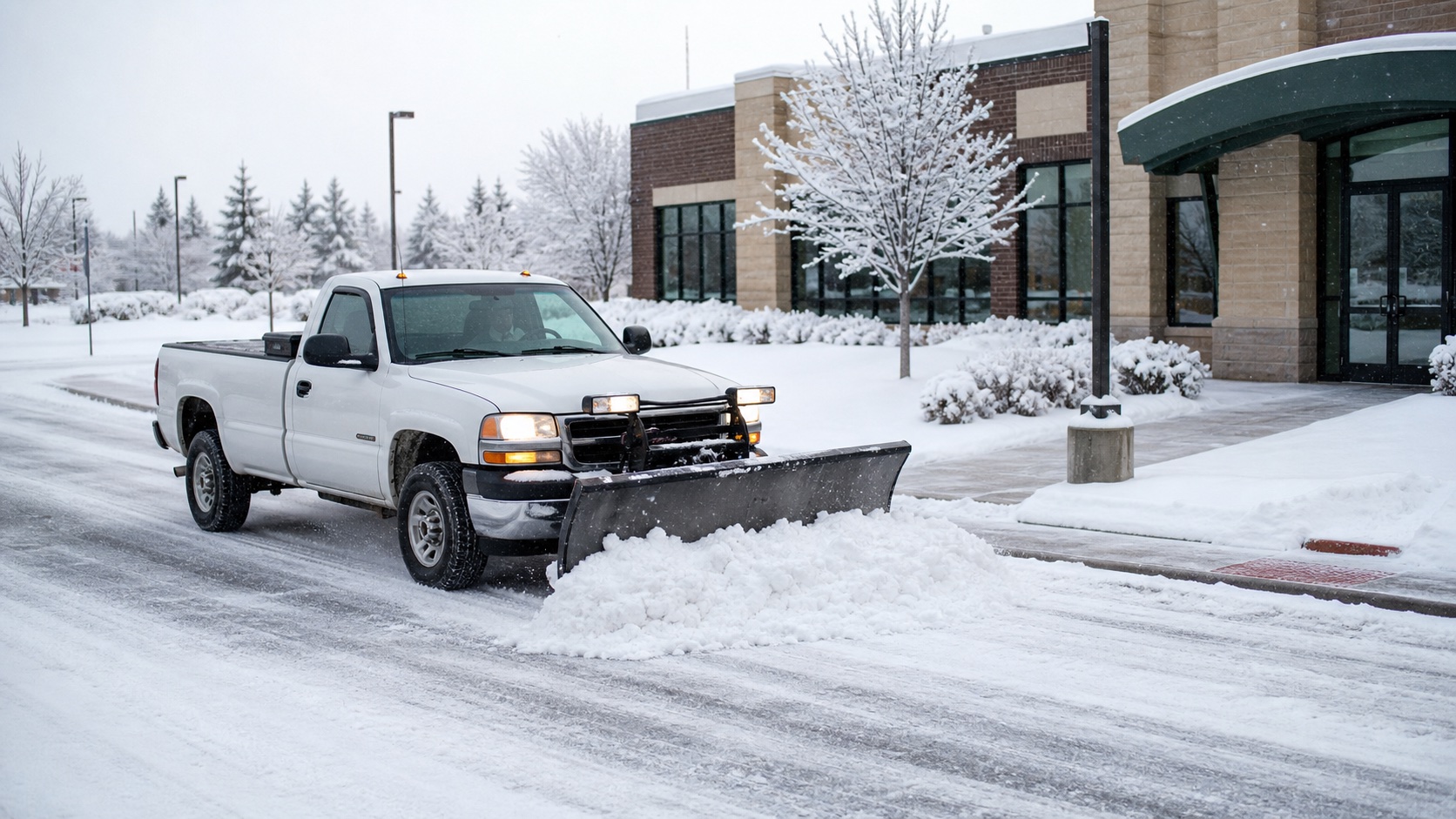
Snow stacking keeps cleared snow on the property. Snow hauling removes piled snow from the property after it has been pushed, loaded, and taken away under a separate quoted scope. A property may need hauling when piles start taking needed parking, blocking sight lines, narrowing drive lanes, covering drains, crowding entrances, or leaving no room for the next snowfall.
For Bismarck, Mandan, Lincoln, and nearby North Dakota properties, the best time to discuss hauling is before winter or before piles become urgent. All Clean Solutions can review private-property snow-removal needs, but hauling should not be assumed to be part of ordinary plowing or shoveling unless it is included in the approved estimate.
Stacking works when the property has safe storage space
On-site stacking is often the first option because it keeps the snow near the cleared area. A driveway, parking lot, service lane, or loading area may have corners or edges where snow can be placed without interrupting daily use.
That storage space still needs limits. A good estimate should identify where piles may go, where they must not go, and who can approve a change when repeated snow events make the first choice less practical. Piles should not be placed where they create new access problems for entrances, dumpsters, hydrants, mailboxes, fire exits, delivery paths, or future service work.
Hauling may be needed when piles reduce usable space
Snow hauling becomes a planning question when stored snow starts creating a second problem. Common warning signs include fewer usable parking spaces, narrowed drive lanes, blocked loading access, reduced visibility at exits, piles creeping toward walkways, or snow pushed into areas that need to remain open.
The issue is not only the size of one storm. Several moderate events can consume stacking space over time. A location that worked in early winter may become too tight after repeated accumulation, drifting, and city-plow windrows near entrances.
Drainage and refreeze can change the decision
Large piles can melt during sunny or warmer periods, then refreeze when temperatures drop. That runoff may cross walking paths, garage approaches, loading areas, low pavement, or shaded sections. If the pile sits near a drain, curb cut, or doorway, the meltwater path deserves attention before it creates recurring slick spots.
Hauling is not an ice-free guarantee. It is one possible scope choice when pile placement, drainage, access, and future snowfall make on-site storage less practical. Salt or sand may still be discussed separately when conditions and the customer-approved quote make those services appropriate.
Loading access affects the hauling estimate
Hauling depends on more than deciding that the snow should leave. The quote needs to consider pile location, estimated volume, equipment access, where a truck can safely load, travel time, disposal requirements, and whether parked vehicles or other obstacles will block the work.
If a pile is placed behind vehicles, near tight corners, under low branches, or beside fragile property features, removal may take longer or require a different plan. Before winter, it helps to identify possible loading locations and the times when the property is most open.
What to send with a snow-hauling request
A useful request includes the property address, photos of the current pile or planned stacking area, the spaces being affected, access limits, business hours, and whether the concern is parking, visibility, drainage, loading access, or preparation for future snow.
If the property is still in preseason planning, send a simple map or wide photos showing the lot, driveway, walks, drains, entrances, and likely stacking zones. The snow removal service page explains how All Clean Solutions reviews plowing, shoveling, salt or sand, and snow-hauling needs for Bismarck-area properties. If the property owner is coordinating several seasonal services at once, the All Clean Solutions services page can help route the request to the right estimate. Storm dispatch and winter work remain subject to visibility, road conditions, closures, route capacity, and safe travel.